TWIL #021 - Drosera: The Plant That Eats Insects with Sparkling Traps
The sundew plant lures insects with glistening droplets that look like dew, traps them in sticky tentacles, and slowly digests them - all because its soil has no nutrients.
- #plants
- #nature
- #biology
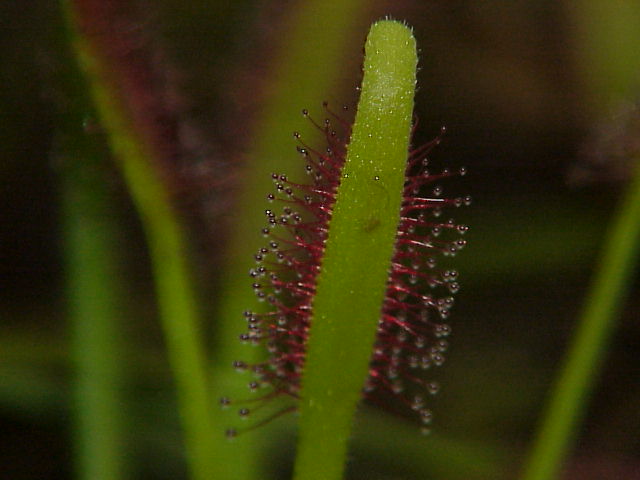
Drosera, commonly known as the sundew, is one of the most widespread carnivorous plant genera in the world - with over 190 species found on every continent except Antarctica. Its hunting mechanism is as beautiful as it is effective.
Each leaf is covered in reddish, hair-like tentacles, each tipped with a glistening mucilage droplet that catches the light like morning dew. Small insects are drawn in by the appearance and what appears to be a sweet scent. When they land, the droplets prove to be an extremely sticky glue - the insect can't pull free, and the tentacles around it slowly curl inward, engulfing the prey.
The plant then secretes digestive enzymes directly onto the insect and absorbs the resulting nutrient soup over several days, after which the leaf reopens and resets.
The reason for all this effort is the soil. Sundews thrive in bogs and wetlands with highly acidic, nutrient-poor soils where nitrogen and phosphorus are almost completely absent. Carnivory isn't a preference - it's the only way to supplement a diet that the soil can't provide.
The trapping motion is surprisingly rapid for a plant: in some species, a tentacle can begin curling toward prey within seconds of contact. The entire leaf can close around an insect in minutes.
Drosera has been used in traditional medicine across multiple cultures for centuries, and some species are now under pressure from habitat loss and over-collection.