TWIL #049 - Sea Cucumbers Throw Their Own Organs at Predators
When threatened, sea cucumbers deliberately expel their internal organs through their body wall to distract, entangle, or poison attackers - then regrow everything over the next few weeks.
- #animals
- #marine-biology
- #biology
- #nature
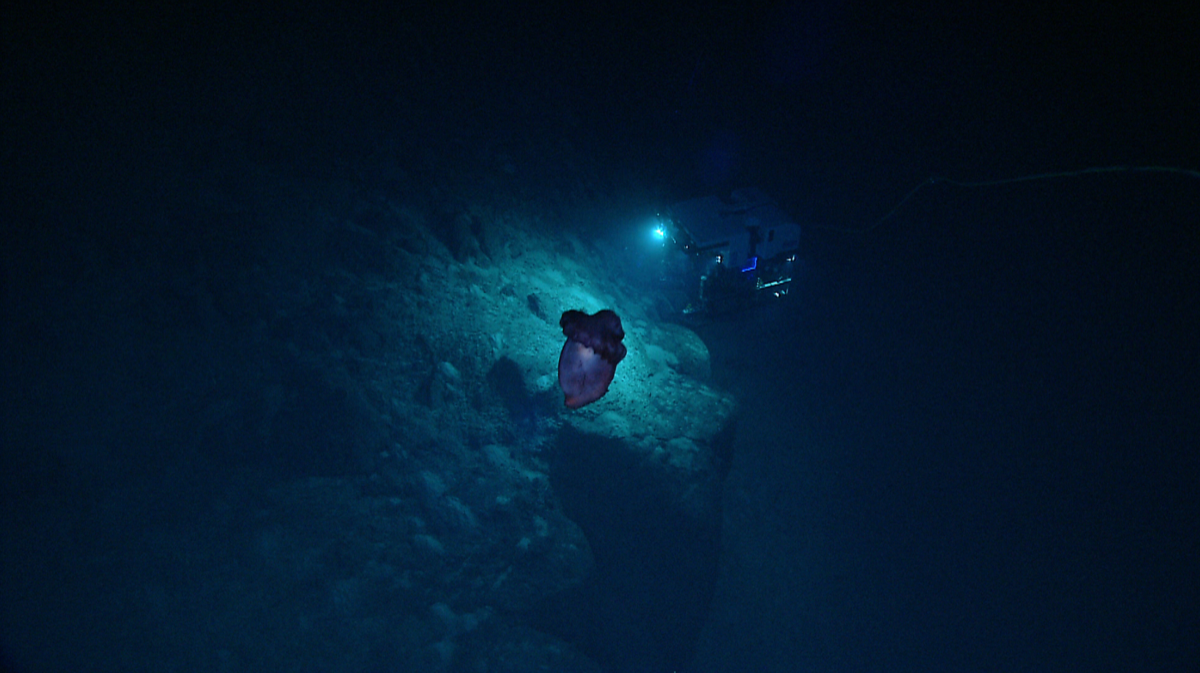
Evisceration is the deliberate expulsion of internal organs, and sea cucumbers (Holothuroidea) have turned it into a defence strategy.
When a sea cucumber is seized by a predator - a fish, a crab, a starfish - it contracts its body wall muscles violently, rupturing specialised weak points in its skin, and expels part or all of its viscera through either the mouth or the rear body opening. The organs - which can include the respiratory trees, parts of the digestive tract, and reproductive organs - land on or around the predator.
Why this works: The expelled material can:
- Entangle: Many species have Cuvierian tubules - elongated sticky threads attached near the rear opening that, when expelled, expand dramatically in seawater to form a dense, adhesive mass. These can immobilise a crab entirely, gumming up its limbs and appendages. Some Cuvierian tubules contain holothurin, a toxic saponin that is poisonous to fish.
- Distract: A predator occupied with a writhing pile of organs may lose interest in the sea cucumber itself, which withdraws.
Regeneration: Over 1–5 weeks, sea cucumbers fully regenerate all expelled organs, including the respiratory trees and gut. This regenerative capacity is among the most impressive in the animal kingdom.
Liquefying collagen: Separately from evisceration, sea cucumbers can modify the stiffness of their body wall collagen - called mutable collagenous tissue - almost instantly. They can become rigid (for defence) or soft enough to squeeze through openings smaller than their resting body diameter.
Breathing through the rear: Sea cucumbers exchange respiratory gases by drawing water in and out through their rear body opening, bathing a pair of respiratory trees (branched organs inside the body cavity) that absorb oxygen directly. Several species of small fish exploit this, living permanently inside the sea cucumber's body cavity via this opening.