TWIL #050 - Frogs Can Freeze Solid, Drink Through Their Skin, and Evert Their Stomachs
Frogs have quietly evolved some of the most extreme survival tricks in the vertebrate world - including surviving being turned into a block of ice.
- #animals
- #biology
- #nature
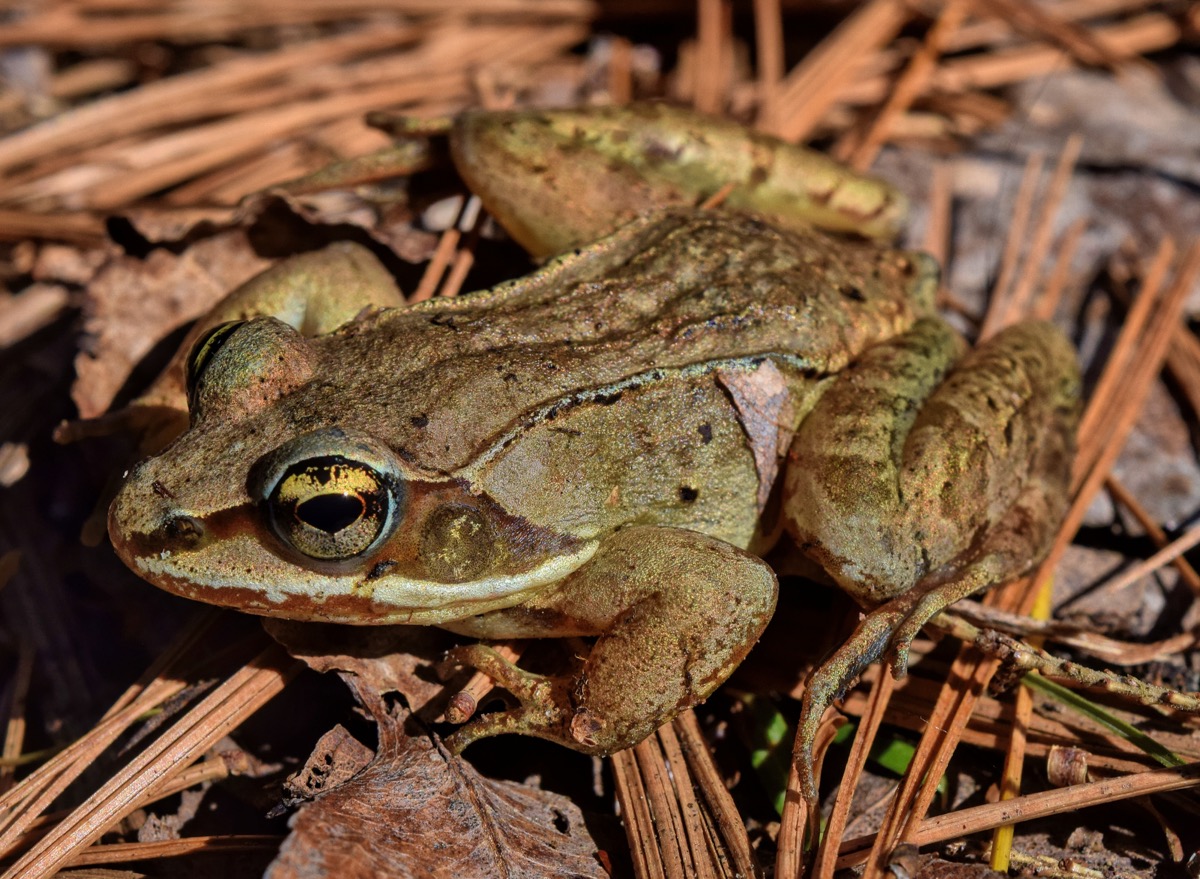
A few things about frogs that are genuinely hard to believe:
They can freeze solid and survive: The wood frog (Lithobates sylvatica) overwinters in the leaf litter of North American forests, where temperatures regularly drop well below zero. Up to 65% of its body water freezes - its heart stops, breathing ceases, and brain activity flatlines. What prevents cell death is a rapid flood of glucose (converted from liver glycogen) and urea into cells and tissues, acting as a cryoprotectant. In spring, the frog thaws and resumes normal function within hours. No other terrestrial vertebrate has been shown to tolerate this degree of freezing.
They don't drink through their mouths: Frogs have no functional mechanism for drinking via the mouth. Instead, they absorb water entirely through a highly permeable patch of skin on their lower abdomen called the "seat patch" or pelvic patch. A dehydrated frog placed in water can rehydrate through this patch within minutes.
They can evert their stomach: If a frog ingests something indigestible or toxic, it can vomit by turning its stomach inside out through its mouth, wiping the stomach lining clean with its forelimbs, then swallowing the stomach back in. This is called gastric eversion.
Poison dart frogs are harmless in captivity: The toxins of poison dart frogs (Dendrobatidae) - including the batrachotoxins potent enough to kill a human - are not produced by the frogs. They are accumulated from their diet: specific ants, mites, and beetles. Frogs raised in captivity without these prey species develop no toxins at all.
The gastric brooding frog swallowed its eggs: The two species of gastric brooding frog (Rheobatrachus, now extinct - last seen 1983) fertilised eggs externally, then the female swallowed them. She suspended all gastric acid production for the full gestation period (6–7 weeks), allowing the tadpoles to develop inside her stomach, and then "gave birth" by expelling fully-formed froglets through her mouth.